
The Mhun of Achaea
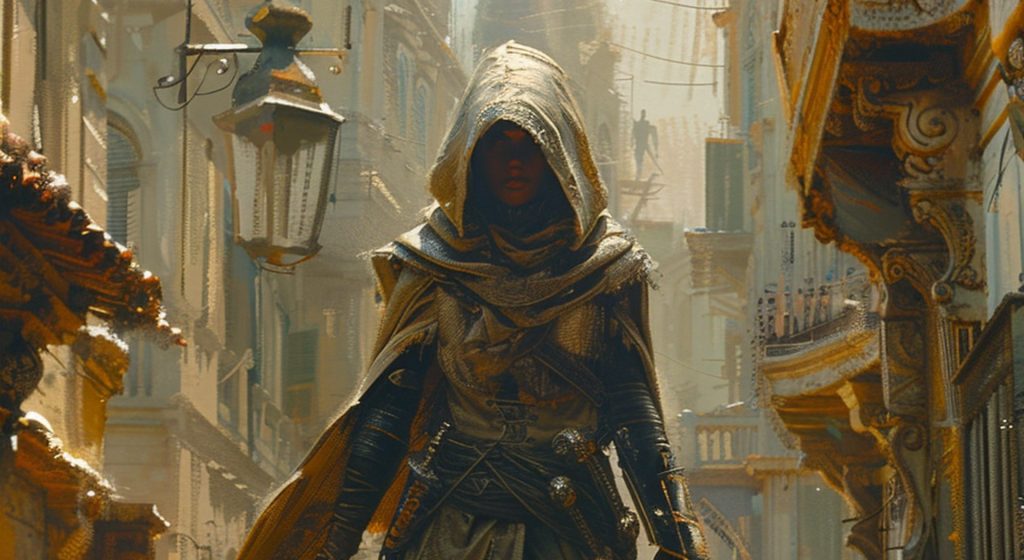
The mhun are Achaea’s underground race, distant cousins of humanity who carved their lives out of the deep places south-west of the Mhojave desert. Clever and agile, they are the ones who survived. They see in the dark, move faster than most, and never quite forgot the glory they once held.
Mhun lore and origin
The mhun are distant cousins of humanity, descended along a separate branch and shaped by a different environment. Their ancestral home, Moghedu, lies south-west of the great Mhojave desert. Life underground in a harsh environment forced the mhun to become survivors. The race carries this through into modern Achaea: wily, clever, and resilient even when not particularly respected by other races.
There is also something the lore notes specifically: it is said by some that the mhun as a race seek to enter back into the glory in which they once resided. The mhun were not always the underground race. Their history holds a fall, and many mhun carry that knowledge as part of their identity. A character with this in mind plays differently than one who treats their race as simple background.
Mhun rarely hold leadership positions in cities or Houses. The reason given in the lore is that their first loyalty is generally to their race rather than to their political affiliations. This does not make them outsiders. Mhun are common in every city. It does mean that a mhun character has a built-in tension between civic duty and racial loyalty that can be a useful roleplay engine.
If you want a race with an unfinished story and a grudge to settle, mhun fits.
Mhun appearance
Mhun are roughly human-sized but a bit weaker and more agile. Most have lithe, wiry, or skinny frames, though heavily muscled mhun do exist. They are seldom overweight. Skin is naturally pale or wan but tans easily. Features tend to be sharp and angular.
Those of pure Moghedu ancestry have slanted, opaque eyes and wide, thin-lipped mouths, but these features are not definitive. Some mhun are nearly indistinguishable from their human cousins. Hair and eye colour are overwhelmingly black or dark brown; light or red hair and pale eyes are very uncommon.
Mhun racial abilities
Mhun have one racial trait, shaped by countless generations of underground life.
Trait: Mine Dweller
- Can see in low light conditions.
- Have extra movement.
Low-light vision is more useful than it sounds. Sections of Achaea (caves, mines, certain dungeons) are darker than the surface world, and a mhun can move and act there without the penalties other races face. The extra movement is a flat advantage everywhere: more efficient exploration, faster repositioning in combat, less time spent travelling.
Mhun base statistics
Mhun are dexterity-leaning, trading constitution for agility.
| Stat | Value |
|---|---|
| Strength | 12 |
| Dexterity | 13 |
| Constitution | 11 |
| Intelligence | 12 |
Mhun lean toward dexterity and away from constitution. That makes positioning matter a bit more than it does for hardier races, but it does not close any class off. Pick the class that fits the character you want to play.
Mhun specialisations
At level 10, after you have joined a class, you can pick one of four mhun specialisations.
| Specialisation | Str | Dex | Con | Int | Stat shift |
|---|---|---|---|---|---|
| Unspecialised | 12 | 13 | 11 | 12 | (baseline) |
| Keeper | 14 | 13 | 11 | 11 | +2 Str / -1 Int |
| Scout | 12 | 15 | 10 | 12 | +2 Dex / -1 Con |
| Bodyguard | 12 | 12 | 13 | 12 | +2 Con / -1 Dex |
| Conjurer | 11 | 13 | 11 | 14 | +2 Int / -1 Str |
Keeper leans into physical combat at the cost of magical study. Scout doubles down on dexterity, taking it to 15: the maximum agility available to mhun. Bodyguard sacrifices speed for durability, useful for protective melee roles. Conjurer pushes intellect, well-suited for magical and scholarly classes.
In-game: RACE SPECIALISATION LIST to view, RACE SPECIALISE AS to commit.
What a Mhun might look like
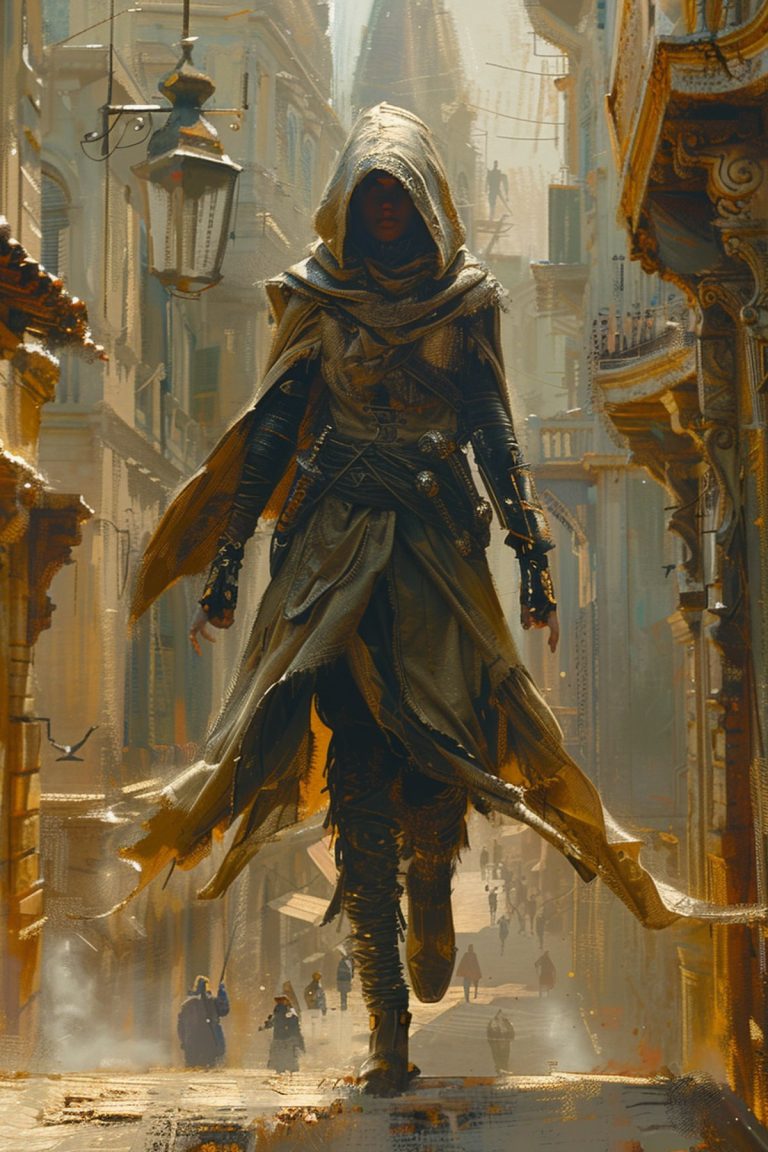
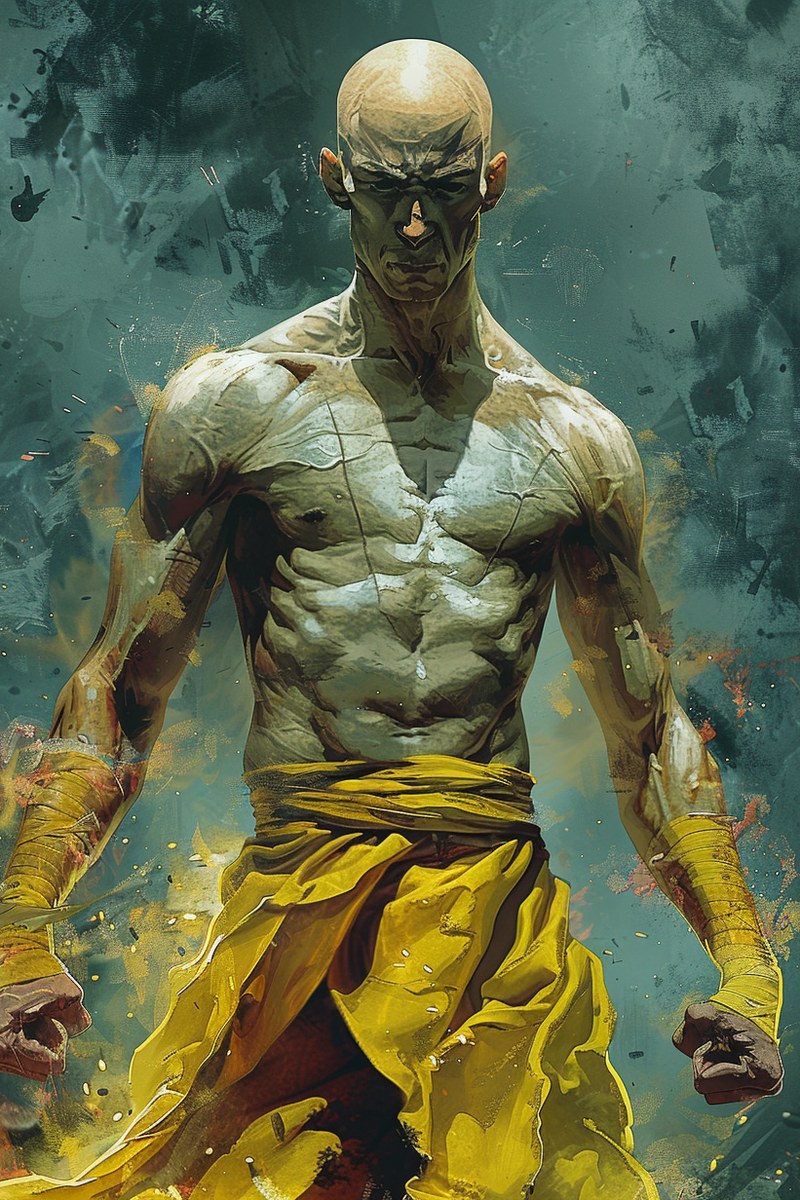
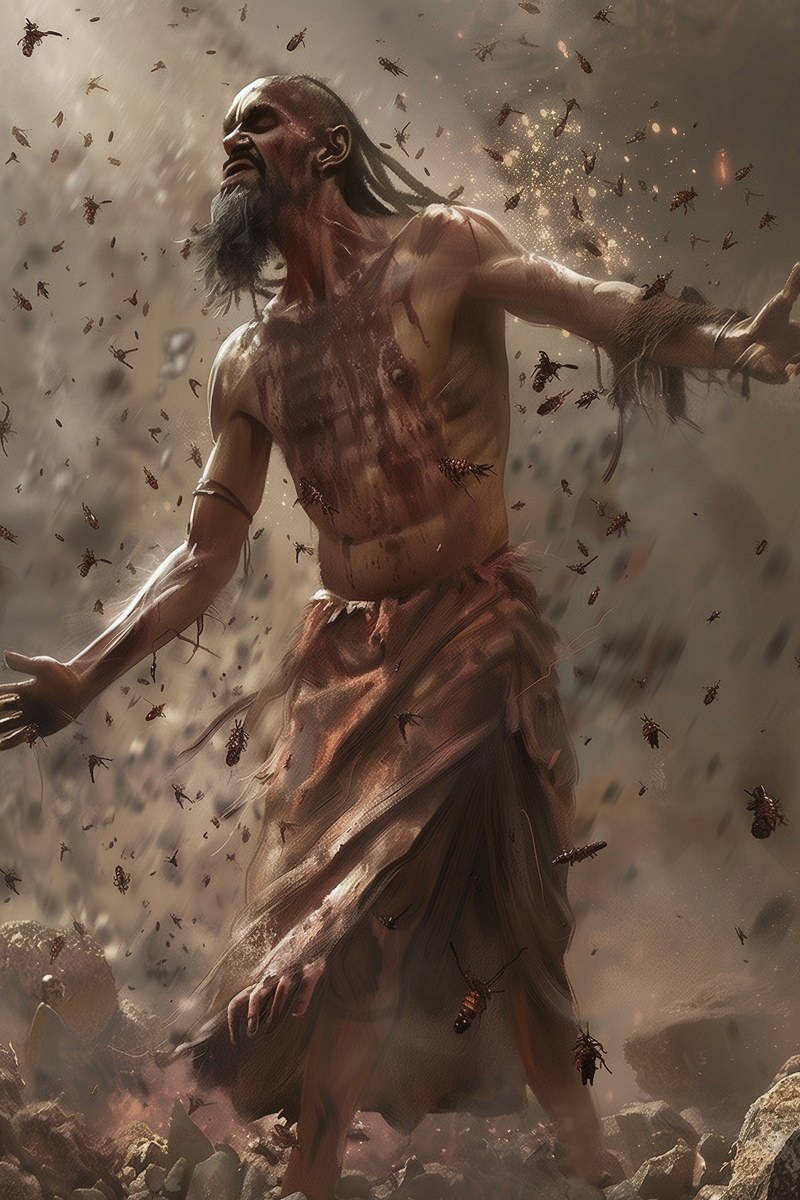
Class is what shapes a character’s silhouette. The art below shows what a Mhun looks like in a few of the 21 classes available. These are illustrative examples, not recommendations. Any race can play any class in Achaea.
How to roleplay a Mhun in Achaea
Mhun carry a particular weight that humans do not: a history of glory lost. Their lore explicitly notes that loyalty runs to the race before a city or House. You can play against that, but other players who know the lore will read it into your character whether you intend it or not. A mhun fully devoted to an adopted city is a deliberate choice, and people notice.
Moghedu is named and located. Your character either grew up there, has family there, or has a reason to know about it. Even mhun who have never visited have opinions. It is a constant reference point for backstory and roleplay.
The lore frames mhun as wily, clever survivors. That reads for any class where patience and intelligence are assets. A mhun mage playing the long game writes naturally. So does a mhun Serpent or Jester. And mhun command less default respect than other races. That is a roleplay hook, not a penalty. Use the underestimation.
If you want a race with built-in tension and an unfinished story, mhun gives you both.
Frequently Asked Questions
Other races to consider
Three races worth a look if you are still deciding:
Humans
The most adaptable race in Achaea. Balanced across all four stats. The cleanest baseline if you want the human form without the racial backstory weight that comes with mhun.
Dwarves
Created by Phaestus and given a soul by Proteus. Stocky, hardy, and resistant to four damage types. The other “lives in the highlands and underground” race, but built for durability instead of speed.
Tsol’aa
The first race ever created. Lithe, intelligence-leaning, with deep cultural memory. If you like the “race with a long history” angle of mhun but want the established-elder flavour instead of the fallen-survivor flavour, tsol’aa is the alternative.
Patch notes, world events, and updates from Achaea — delivered to your inbox.
Name Please enter your name. Email Please enter a valid email address.Unsubscribe at any time via the link at the bottom of any email.